English
 Hindi (हिंदी)
 Gujarati (ગુજરાતી)
 Telugu (తెలుగు)
 Marathi (मराठी)
 Bengali (বাঙ্গালী)
 Turkish
 Dutch
 Italiano
 Russian
 Romaian
 Portuguese (Brazil)
 Greek
 Arabic
 French
 Deutsch
 Spanish
 Portuguese

Conveying Equipment Market Analysis, Size and Forecast by 2031
Other |
2026-03-12 11:25:36
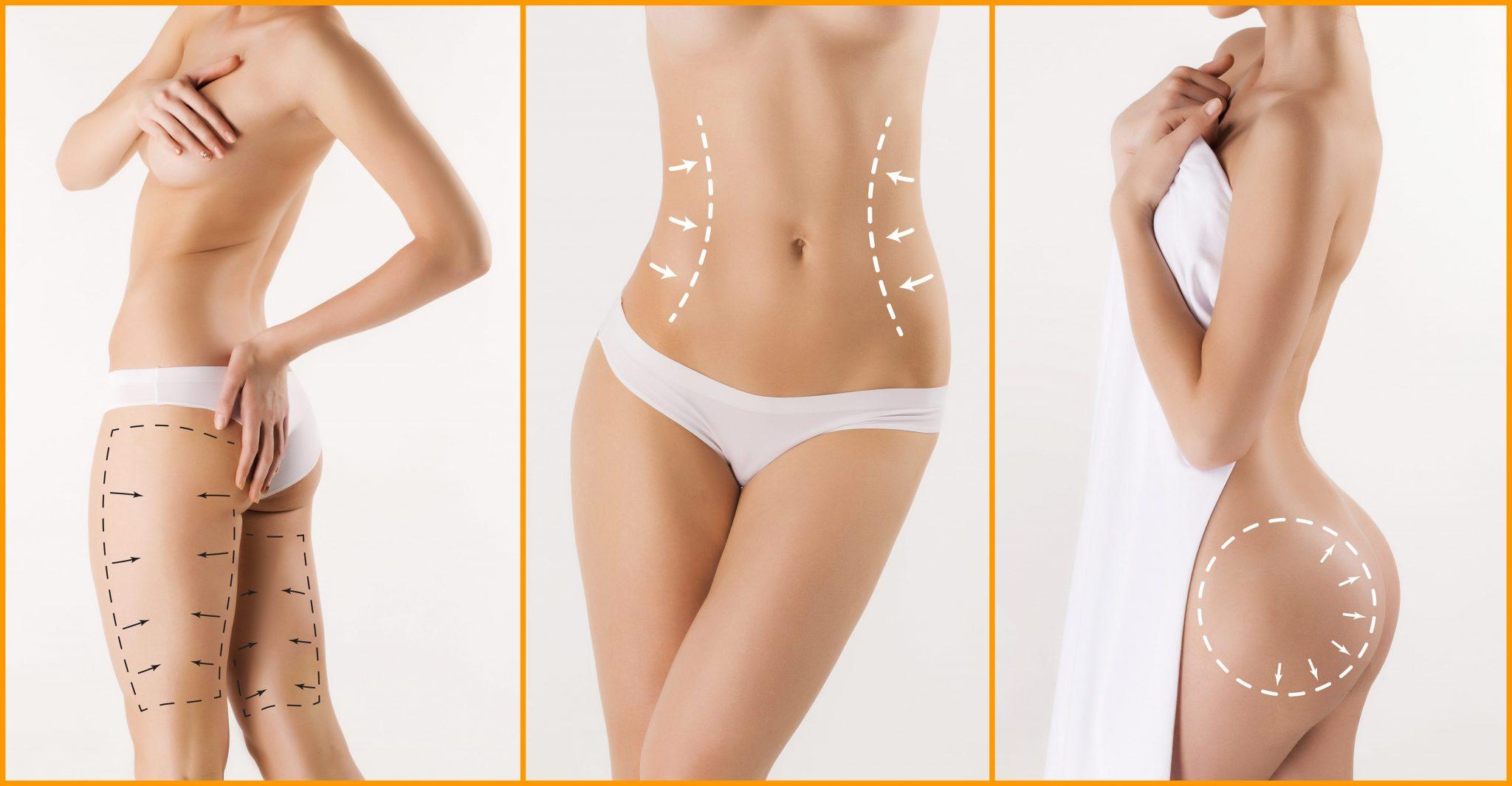
Body proportions can influence how balanced and harmonious a person’s overall silhouette appears. Even when someone maintains a healthy weight, stubborn fat deposits may collect more noticeably around the abdomen, hips, thighs, arms, or other areas, creating an uneven distribution. Liposuction in Islamabad can be considered as a body-contouring procedure for selectively removing localized fat and improving the relationship between different body areas. **Liposuction in Islamabad**
A balanced body shape does not mean that every area needs to be the same size. Instead, it refers to how different areas visually relate to one another.
For example, someone may have relatively slim legs but carry more fat around the abdomen and waist. Another person may have a narrower upper body with more fullness around the hips and thighs. These differences are often influenced by genetics, age, lifestyle, hormones, and natural fat distribution.
Liposuction focuses on localized fat reduction, rather than overall weight loss. By selectively treating specific areas, surgeons may help create smoother transitions between adjacent body regions.
In carefully selected patients, liposuction may help improve the visual balance between the upper and lower portions of the body.
The goal is not necessarily to remove the same amount of fat from different areas. Instead, a surgeon considers the patient's existing proportions and determines where contouring could create a more harmonious appearance.
For instance, if the lower body appears disproportionately fuller because of localized fat around the hips or thighs, reducing selected deposits may make the waist and upper body appear more proportionate.
Similarly, reducing excess fullness around the abdomen or flanks can sometimes create a clearer transition between the torso and lower body.
Several areas can contribute to the appearance of body balance.
| Treatment Area | Possible Contouring Goal |
|---|---|
| Abdomen | Reduce localized abdominal fullness |
| Waist/flanks | Improve the transition between waist and hips |
| Hips | Reduce disproportionate side fullness |
| Thighs | Refine areas with localized fat deposits |
| Upper arms | Reduce excess fullness around the arms |
| Back | Smooth localized fat around the bra-line or back |
| Chin/neck | Improve facial and upper-body proportion |
The areas selected depend on individual anatomy. Treating too many areas or removing excessive fat is not automatically better and may produce an unnatural appearance.
A common misconception is that successful liposuction simply means removing as much fat as possible. In reality, body contouring requires careful judgment.
The surgeon must consider the amount of fat present, skin elasticity, muscle definition, body structure, and the relationship between nearby areas.
Removing too much fat from one region can sometimes make another region appear larger by comparison. For this reason, the objective should be proportionate contouring, rather than maximum fat removal.
A well-planned procedure aims to preserve enough natural tissue to maintain smooth transitions and an aesthetically balanced silhouette.
Before liposuction, a surgeon generally evaluates the body from multiple angles rather than focusing on one isolated area.
Important considerations can include:
Photographs or clinical markings may also be used during planning to identify areas that require more attention.
This assessment helps determine whether liposuction alone is appropriate or whether another approach may be more suitable.
Skin quality can have a major influence on the final contour.
When skin has good elasticity, it may contract more effectively after underlying fat is reduced. If skin is significantly loose, removing fat alone may not completely address the appearance of excess skin.
This distinction is important because liposuction primarily targets fat, not loose skin.
Patients with substantial skin laxity may require a different body-contouring approach. A professional assessment is therefore important before deciding on treatment.
Body contouring is often about creating smooth transitions rather than obvious changes between treatment zones.
For example, when treating the abdomen and waist, the surgeon may consider how the two areas connect visually. Abrupt differences between treated and untreated regions can make the result look less natural.
Careful contouring can help create smoother transitions around the waist, hips, abdomen, or thighs.
This is why individualized treatment planning is important. Two people with similar amounts of localized fat may require completely different approaches because their anatomy and proportions are different.
It is important to understand that liposuction is designed for body contouring, not general weight reduction.
People who are considering the procedure should generally have realistic expectations about what it can accomplish. Removing localized fat may improve the shape of particular areas, but it cannot completely change skeletal structure, muscle placement, or every aspect of natural body proportions.
Maintaining a stable, healthy weight can also help preserve the contour achieved after treatment.
Several factors can influence the appearance of the abdomen, waist, hips, and other treated areas after liposuction.
Natural fat distribution determines where fullness is concentrated and which areas may benefit from contouring.
Good skin elasticity can support smoother adaptation after fat reduction, while loose skin may remain visible.
Bone structure, pelvis width, rib-cage shape, and muscle development influence overall proportions and cannot be changed through liposuction.
The surgeon's approach to markings, treatment zones, symmetry, and fat removal can influence the final contour.
Significant future weight changes can alter the distribution of fat and affect long-term results.
Liposuction may be considered by adults who have localized fat deposits that remain noticeable despite appropriate lifestyle habits.
A suitable candidate should have realistic expectations and understand that the procedure is intended to refine contours rather than guarantee a particular body shape.
A consultation is essential because a procedure that works well for one body type may not be appropriate for another.
It may help improve visual proportions when disproportion is related to localized fat deposits. However, the result depends on anatomy, skin quality, and the areas selected for treatment.
Surgeons generally aim for symmetry, but natural differences between the two sides of the body can exist. Treatment planning takes these differences into consideration.
Reducing localized fat around the waist and flanks can sometimes create a more defined waistline. The extent of change depends on the patient's existing anatomy and fat distribution.
No. Liposuction primarily removes localized fat. Significant excess skin may require a different procedure.
No. Liposuction is primarily a contouring procedure and should not be considered a substitute for weight management.
Fat cells removed during liposuction are permanently removed from the treated areas, but remaining fat cells can enlarge with significant weight gain. Maintaining a stable weight can help preserve the contour.
Creating a balanced upper and lower body shape is not simply about removing fat—it is about understanding how different areas relate to one another. Liposuction in Islamabad may help refine localized fat deposits and improve transitions between areas when carefully planned for an individual's anatomy. Choosing an experienced team and undergoing a detailed consultation can help establish realistic expectations and an appropriate treatment strategy. For professional evaluation and personalized body-contouring guidance, consider consulting Dynamic Clinic Pk.