English
 Hindi (हिंदी)
 Gujarati (ગુજરાતી)
 Telugu (తెలుగు)
 Marathi (मराठी)
 Bengali (বাঙ্গালী)
 Turkish
 Dutch
 Italiano
 Russian
 Romaian
 Portuguese (Brazil)
 Greek
 Arabic
 French
 Deutsch
 Spanish
 Portuguese

Lymphatic Massage for Allergy Relief: Practical Advice and Techniques
Health |
2026-05-23 08:00:42
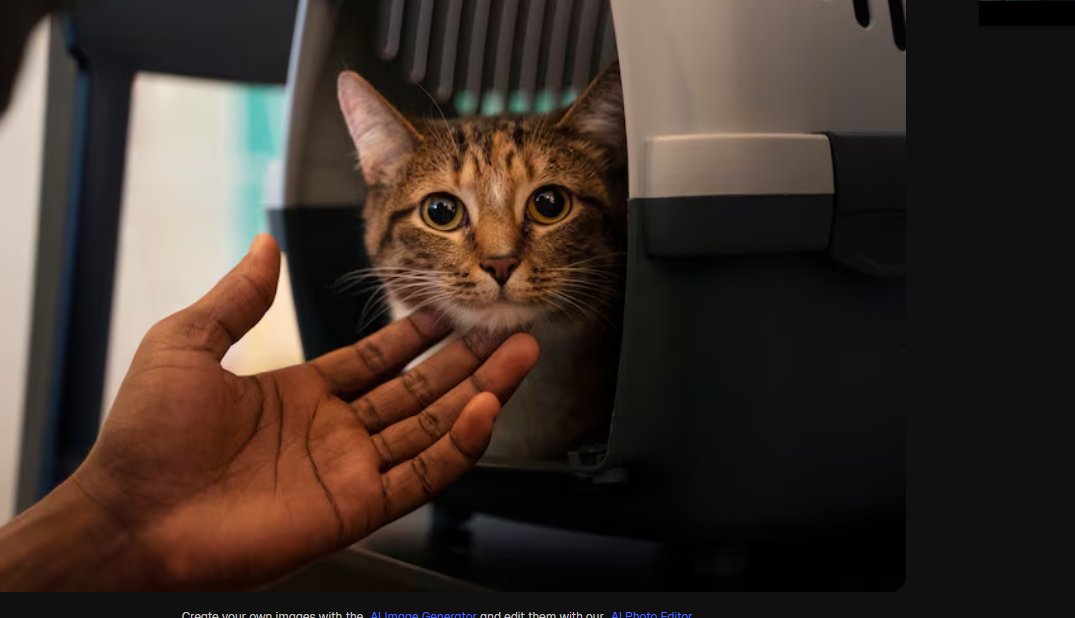
Caring for a cat with special needs requires patience, consistency, and an understanding of the individual challenges your pet faces. Special needs cats may have mobility limitations, sensory impairments, chronic conditions, behavioral challenges, or age-related difficulties that require additional attention. With the right routine and environment, however, these cats can enjoy comfortable, happy, and fulfilling lives. Learning how to care for a cat with special needs begins with recognizing your cat’s unique requirements and making thoughtful adjustments to daily life.
Understanding Your Cat’s Individual Needs
Every special needs cat is different. Some cats may have difficulty walking or climbing, while others may have vision or hearing limitations. Some require medication, special diets, frequent monitoring, or assistance with grooming and litter box use. Before establishing a care routine, observe your cat closely and identify the activities that are difficult for them.
A veterinarian can help determine what type of assistance your cat needs and how often they should receive medical checkups. Keep a record of medications, feeding schedules, symptoms, and behavioral changes. This information can make everyday care more organized and can also help you recognize changes that may require professional attention.
Create a Safe and Comfortable Home
A safe home environment is one of the most important parts of special needs cat care. Cats with mobility problems may struggle with stairs, high furniture, or slippery floors. Consider placing food, water, bedding, and litter boxes in easily accessible locations so your cat does not have to travel far.
For cats with poor vision, avoid frequently rearranging furniture. Keeping familiar objects in consistent locations can make it easier for them to navigate. Cats with limited hearing may benefit from gentle visual cues and predictable routines.
Comfortable bedding can also make a major difference. Choose a soft, supportive sleeping area that is easy for your cat to enter and leave. If your cat has difficulty maintaining body temperature, provide a comfortable environment while avoiding excessive heat.
Make Feeding and Hydration Easier
Nutrition is especially important for cats with health or mobility challenges. Feed your cat according to veterinary recommendations and monitor their appetite and weight. A cat that suddenly eats less or stops drinking should receive appropriate professional attention.
Use food and water dishes that are easy to reach. Cats with neck, joint, or mobility difficulties may benefit from dishes positioned at a comfortable height. Keep fresh water available throughout the day, especially if your cat has difficulty moving between rooms.
Maintaining a consistent feeding schedule can also reduce anxiety. Special needs cats often benefit from knowing when meals, medication, playtime, and rest will occur.
Support Grooming and Hygiene
Some cats with special needs cannot groom themselves effectively. Long-haired cats, older cats, and cats with limited mobility may need additional brushing to prevent mats and keep their coats clean.
Check your cat regularly for dirty fur, irritated skin, overgrown nails, or other changes. Litter box hygiene is equally important. A low-sided litter box can make entry easier for cats with mobility limitations. Keep the box clean and place it somewhere your cat can reach without navigating difficult obstacles.
Knowing how to care for a cat with special needs also means understanding when your cat needs assistance and when they should be allowed to maintain independence. Helping without unnecessarily restricting normal behavior can support confidence and comfort.
Maintain a Predictable Routine
Routine can be extremely valuable for special needs cats. Try to keep feeding, medication, cleaning, play, and bedtime schedules relatively consistent. Predictability can help reduce stress and make it easier to notice unusual behavior.
Spend time interacting with your cat in ways they enjoy. Gentle play, petting, brushing, or simply sitting nearby can provide companionship. Adapt activities to your cat’s physical abilities rather than expecting them to behave like a completely healthy cat.
Preparing for Travel
Travel can be challenging for any cat, but it may require additional planning when a cat has special needs. Special needs cat care while traveling starts well before the day of departure. Make a list of everything your cat needs, including food, water, medications, bedding, cleaning supplies, medical records, and familiar comfort items.
If your cat requires medication, bring enough for the entire trip and consider carrying extra supplies in case of unexpected delays. Keep medications properly stored according to professional instructions.
Choose a secure, well-ventilated carrier that gives your cat enough room to sit and turn around comfortably. A familiar blanket or towel inside the carrier can provide reassurance. Allow your cat to become familiar with the carrier before traveling whenever possible.
Reduce Travel Stress
Cats can become anxious when their surroundings change. Keep the carrier stable and avoid unnecessary handling during transportation. Speak calmly to your cat and maintain a comfortable temperature.
For longer trips, plan appropriate breaks when practical and consider your cat’s feeding, hydration, medication, and bathroom needs. Never leave a cat unattended in a parked vehicle, particularly in extreme temperatures.
If your cat becomes extremely stressed during travel, discuss possible strategies with a veterinarian before the trip. Do not give calming medication unless it has been recommended specifically for your cat.
Special Needs Cat Care While Traveling
Special needs cat care while traveling requires extra attention to your cat’s normal routine. Try to maintain familiar feeding and medication times as closely as possible. When you arrive at your destination, prepare a quiet room where your cat can settle before exploring a larger space.
Bring familiar bedding, toys, food, litter, and other items that smell like home. Familiar objects can help make an unfamiliar environment feel safer. Check the room for hazards before allowing your cat to explore.
If you are staying somewhere temporarily, keep doors and windows secure. Special needs cats may become confused in unfamiliar surroundings, so supervision is particularly important.
Monitor Your Cat During and After Travel
Pay attention to your cat’s behavior, appetite, water consumption, bathroom habits, and energy level after traveling. Temporary nervousness may occur, but significant or persistent changes should not be ignored.
Keep important veterinary information accessible during the trip. Knowing where to seek professional veterinary assistance at your destination can provide peace of mind, especially if your cat has ongoing medical needs.
Give Your Cat Patience and Affection
Special needs cats may require more time, assistance, and attention than other pets, but they can still experience strong bonds with their families. Be patient when your cat struggles with an activity. Avoid forcing movement or interaction when they are uncomfortable.
The best approach to how to care for a cat with special needs combines practical support with compassion. Small adjustments to feeding areas, sleeping spaces, litter boxes, transportation, and daily routines can make a significant difference in your cat’s quality of life.
Travel may require additional preparation, but special needs cat care while traveling can be manageable when you plan ahead and understand your cat’s individual needs. With a secure carrier, familiar belongings, necessary supplies, and a predictable routine, you can make journeys more comfortable.
Ultimately, caring for a special needs cat is about creating a safe environment where your pet can remain as comfortable, active, and independent as possible. Pay attention to changes, follow professional veterinary guidance, and give your cat plenty of patience and affection. With thoughtful care and preparation, special needs cats can continue to enjoy companionship, comfort, and meaningful everyday experiences.