English
 Hindi (हिंदी)
 Gujarati (ગુજરાતી)
 Telugu (తెలుగు)
 Marathi (मराठी)
 Bengali (বাঙ্গালী)
 Turkish
 Dutch
 Italiano
 Russian
 Romaian
 Portuguese (Brazil)
 Greek
 Arabic
 French
 Deutsch
 Spanish
 Portuguese

Surgical Costs for Hernia in Singapore: A Practical Guide to Pricing, Treatment Choices, and Recovery Planning
Health |
2026-08-02 08:53:11
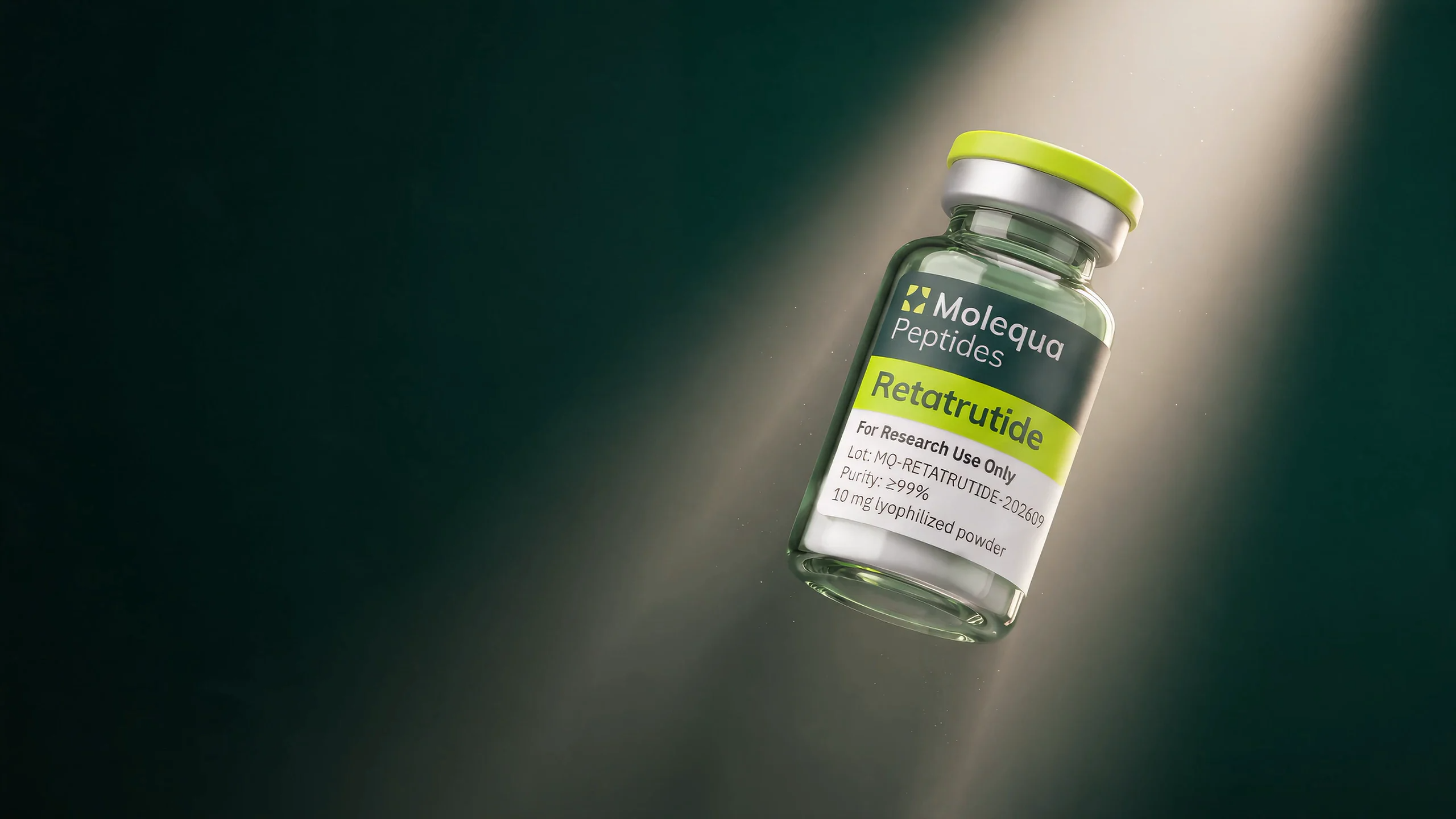
Newcomers to peptide research face a steep climb. The terminology is dense, the analytical documentation looks impenetrable at first glance, and the market is full of suppliers whose claims are difficult to evaluate. Molequa's research library exists to flatten that learning curve, gathering educational material that helps buyers understand what they are purchasing and how to assess quality. This guide introduces what the library offers, who benefits from it, and how to use it effectively, whether you are placing your first order or refining habits built over years of laboratory work.
The library's purpose is straightforward: to give researchers the background knowledge needed to make sound purchasing decisions. Rather than assuming familiarity with analytical chemistry, it starts from foundational concepts and builds upward, explaining how peptides are produced, tested, and documented. Molequa treats education as part of the service rather than an afterthought, recognising that informed buyers ask better questions and encounter fewer surprises. The material is written for working researchers rather than specialists in analytical chemistry, so a biologist or pharmacologist with limited exposure to chromatography can follow along without feeling lost.
For most beginners, the certificate of analysis is the most intimidating document they encounter. The library addresses this directly with explanations of what a CoA contains, why each section exists, and how the pieces fit together. Readers learn to identify the batch number, locate purity figures, and understand the role of the testing laboratory. Molequa's guidance emphasises reading the document as a whole rather than fixating on a single percentage, since context determines what any figure actually means. Working through this material before a first purchase turns a confusing formality into a useful tool for evaluating suppliers.
The analytical techniques behind peptide testing often go unexplained, leaving buyers to accept results they cannot interpret. The library fills this gap with plain-language introductions to high-performance liquid chromatography and mass spectrometry. Readers learn what each technique measures, why both are necessary, and how to read the graphs that appear on certificates. Molequa's explanations focus on practical interpretation, covering topics such as identifying the main peak on a chromatogram and comparing observed molecular weight against expected values. This grounding allows buyers to examine analytical data independently rather than relying entirely on a supplier's summary.

Purity and identity are related but distinct concepts, and conflating them leads to poor decisions. The library clarifies the difference, explaining that purity describes how much of a sample is one substance while identity confirms what that substance is. It also addresses the limits of testing, acknowledging that no analytical programme covers every possible impurity. Molequa's educational material encourages realistic expectations, helping readers understand that a certificate documents specific tests rather than guaranteeing absolute perfection. This honesty serves beginners well, preparing them to evaluate claims critically instead of expecting impossible standards.
Researchers ordering peptides within the EU encounter a patchwork of national rules and customs procedures that can be difficult to navigate. The library provides orientation on this landscape, explaining how documentation supports shipments and why requirements differ between member states. Beginners benefit from understanding that research peptides occupy a nuanced position, neither straightforwardly regulated nor entirely unregulated, and that proper paperwork smooths the path considerably. Molequa's guidance covers practical matters such as what to expect at customs and how certificates assist with clearance, reducing the uncertainty that discourages first-time buyers.
Beyond analytical theory, the library covers the practical side of procurement. Topics include selecting appropriate quantities, understanding storage requirements, and handling peptides on arrival to preserve their quality. Beginners often underestimate how much handling affects results, and Molequa's material stresses that proper storage and careful inspection are part of the research process rather than administrative chores. Guidance on reading certificates alongside delivered products helps readers connect documentation to physical materials, building habits that serve them throughout their research careers.
The library is not meant to be read once and abandoned. As research evolves and questions arise, returning to specific sections provides quick refreshers on topics that may have faded from memory. Molequa's material is organised to support this kind of revisiting, with sections addressing distinct concerns that researchers encounter at different stages. Beginners who work through the library systematically gain a solid foundation, while experienced buyers benefit from targeted consultation when unfamiliar situations arise. Treating the library as a living resource, rather than a one-time orientation, extracts the most value from what Molequa has assembled.