English
 Hindi (हिंदी)
 Gujarati (ગુજરાતી)
 Telugu (తెలుగు)
 Marathi (मराठी)
 Bengali (বাঙ্গালী)
 Turkish
 Dutch
 Italiano
 Russian
 Romaian
 Portuguese (Brazil)
 Greek
 Arabic
 French
 Deutsch
 Spanish
 Portuguese

The Rise of Nanomedicine: Transforming a US$ 580.39 Billion Healthcare Industry
Health |
2026-10-29 09:14:01
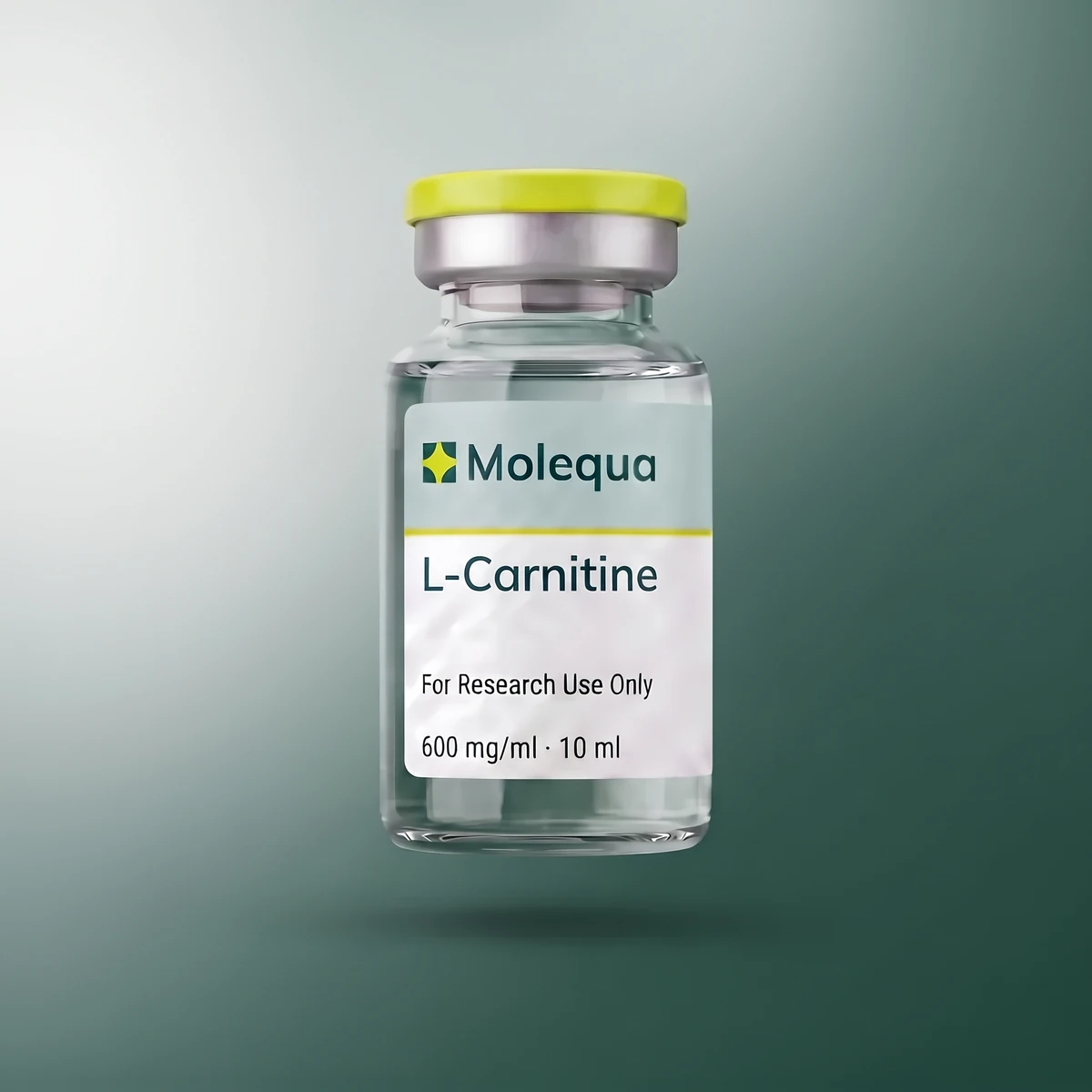
The European research peptide market is crowded, and from the outside many suppliers look interchangeable. Product pages use similar language, prices cluster around similar ranges, and claims of high purity appear everywhere. Yet the differences between suppliers run deep, hidden in testing practices, documentation habits, and the way each company handles the unglamorous details of quality assurance. Molequa stands apart from generic sellers in several concrete ways, and understanding those distinctions helps researchers see past surface similarities. This article examines the standards that separate a serious supplier from the crowd and why those standards matter at the bench.
For many generic sellers, a certificate of analysis is something provided on request, sometimes reluctantly, often after repeated emails. For Molequa, documentation is built into the product itself, with certificates prepared for every batch and made accessible before purchase. This difference sounds small but reshapes the entire buying experience. Buyers no longer have to chase paperwork or wonder whether it exists. The certificate is simply part of what you receive, alongside the vial, and that default availability signals a company that expects to be scrutinized. When documentation becomes routine rather than exceptional, buyers gain leverage and confidence in equal measure.
Generic peptide sellers frequently test in-house or rely on the manufacturer's own analysis, which means the party selling the product also controls the verdict on its quality. Molequa takes a different route by using independent laboratories for analytical testing. This separation removes the conflict of interest that undermines self-reported purity claims. An outside facility has no reason to shade results in the supplier's favour, and its reputation rests on accuracy rather than customer satisfaction. For researchers, this distinction matters because it determines whether a purity figure represents genuine external assessment or an internal opinion dressed up as data.
Anyone can produce a good batch occasionally. The harder achievement is delivering consistent quality across many production runs and over months or years of operation. Generic sellers often vary noticeably between orders, with purity drifting, documentation changing format, or product availability fluctuating unpredictably. Molequa's batch documentation creates a record that can be compared across purchases, revealing whether standards hold steady or slip. This consistency is what allows researchers to plan experiments confidently, knowing that the peptide they order next month will behave like the one they used last month, rather than introducing an uncontrolled variable into their work.

Generic sellers tend to present only favourable information, omitting details about testing methods, instruments used, or any limitations in the analysis. Molequa's certificates include the underlying analytical data rather than just conclusions, allowing buyers to see chromatograms and mass spectra for themselves. This transparency extends to acknowledging what the testing does and does not cover. Not every conceivable impurity is screened for, and honest documentation reflects that reality rather than implying comprehensive perfection. Suppliers willing to show their work, including its boundaries, demonstrate a confidence that generic sellers quoting bare percentages rarely match.
The difference between suppliers also shows in how they respond when something goes wrong or when a buyer asks a difficult question. Generic operations often treat inquiries as obstacles, responding slowly or vaguely, particularly when documentation or quality issues are raised. Molequa's approach centres on making information available upfront so most questions answer themselves, and on engaging seriously when buyers raise concerns. This posture reflects an understanding that research customers are professionals who notice inconsistencies and remember how they were treated. Responsiveness builds the kind of trust that keeps laboratories returning order after order.
Generic sellers frequently ship from outside Europe, exposing buyers to customs delays, extended transit times, and the risk of temperature excursions during long journeys. Molequa operates a warehouse within the EU, shortening delivery routes and reducing the number of handoffs that can compromise peptide integrity. This regional presence also simplifies documentation for customs purposes and makes returns or replacements more practical when issues arise. For European researchers, the combination of local stock and proper handling represents a meaningful advantage over suppliers whose logistical arrangements were designed for other markets.
No single distinction between Molequa and generic sellers is decisive on its own. Independent testing, per-batch certificates, consistent quality, transparent methods, responsive service, and EU research peptides supplier each contribute something modest. Taken together, however, they produce a materially different experience for the buyer. Generic suppliers compete largely on price and presentation, while Molequa competes on the substance behind the product. Researchers who value reproducibility and defensible sourcing find that these accumulated differences justify the attention they pay to supplier selection, because in the end the quality of the science depends on the quality of the materials beneath it.