English
 Hindi (हिंदी)
 Gujarati (ગુજરાતી)
 Telugu (తెలుగు)
 Marathi (मराठी)
 Bengali (বাঙ্গালী)
 Turkish
 Dutch
 Italiano
 Russian
 Romaian
 Portuguese (Brazil)
 Greek
 Arabic
 French
 Deutsch
 Spanish
 Portuguese

Non-Invasive Cancer Diagnostics Market Growth Analysis
Health |
2026-06-04 13:44:40
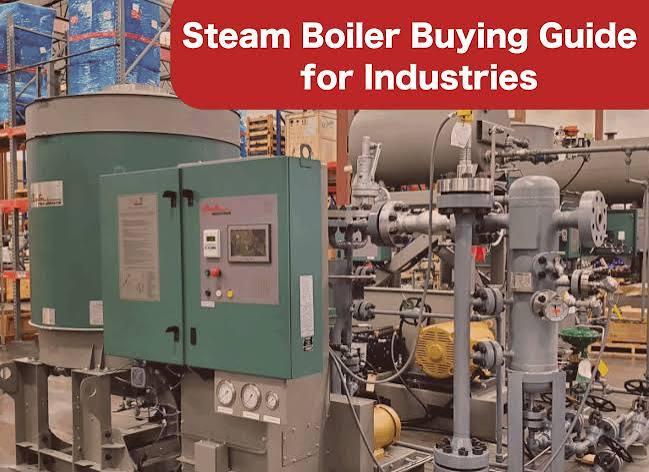
Steam boilers play an important role in modern industrial operations. From food processing and chemical production to textile manufacturing and pharmaceuticals, many industries depend on steam for heating, cleaning, drying, and other production processes. A reliable steam supply helps businesses maintain product quality, improve productivity, and keep daily operations running smoothly.
Modern steam boilers are designed to produce steam efficiently while reducing unnecessary energy losses. With advanced controls, improved heat transfer, and compact designs, industrial facilities can choose systems that match their production requirements and operating budgets.
Industrial steam boilers provide the heat and pressure needed for different manufacturing processes. Steam transfers thermal energy effectively, making it useful for applications that require controlled and consistent heating.
Food processing facilities use steam for cooking, pasteurization, and cleaning. Textile manufacturers depend on it for dyeing and fabric treatment, while chemical plants use steam for heating and processing raw materials. Pharmaceutical facilities also rely on steam for sterilization and other controlled applications.
A dependable steam supply helps prevent production delays and supports consistent operating conditions. Choosing equipment with the right capacity and pressure is essential for meeting these requirements.
Energy efficiency is a major consideration when selecting steam boilers. Industrial facilities consume significant amounts of fuel to generate steam, so improving boiler performance can help control operating expenses.
Modern systems use improved heat transfer surfaces, combustion controls, and energy recovery equipment to reduce fuel waste. Economizers, for example, recover heat from exhaust gases and use it to preheat incoming feedwater.
Condensate recovery is another effective way to save energy. When steam releases its heat, it often returns to water. Recovering this hot condensate reduces the energy required to heat fresh feedwater.
Proper insulation, regular maintenance, and effective water treatment also help improve overall system efficiency.
Manufacturing operations need consistent steam pressure and supply to maintain production quality. Sudden changes in steam availability can affect heating temperatures, slow down equipment, and create production delays.
Modern steam generation systems use responsive controls to adjust output according to changing demand. This helps facilities maintain stable operating conditions during different production cycles.
Clayton Industries uses once-through, forced-flow water-tube technology in its steam generators. Feedwater moves through a helical coil heat exchanger, where combustion heat produces steam. A mechanical separator then separates liquid water from vapor to provide high-quality dry steam.
This design supports responsive steam generation for demanding industrial applications.
Different industries have different steam requirements. Selecting the right equipment requires careful consideration of production needs, operating pressure, and available fuel.
Businesses should evaluate the following factors:
Steam capacity: Determine normal and peak steam demand.
Operating pressure: Match the system to process requirements.
Fuel availability: Consider fuel type, cost, and accessibility.
Operating schedule: Review daily production hours and changing demand.
Available space: Choose equipment that fits the installation area.
Steam quality: Consider whether the process requires dry, consistent steam.
Maintenance: Evaluate service requirements and long-term support.
Correct sizing is particularly important. An oversized system may waste energy during low-demand periods, while an undersized boiler may struggle to support production during peak demand.
Modern industrial steam boilers offer several advantages that can improve everyday operations.
Reduced Fuel Consumption: Better heat transfer and energy recovery can reduce the fuel needed to produce steam.
Reliable Performance: Properly selected equipment supports stable steam generation and continuous production.
Improved Steam Quality: Effective steam separation helps deliver dry steam for processes that require consistent heating.
Compact Design: Smaller equipment footprints help facilities use available floor space more effectively.
Faster Response: Certain modern steam generators can respond quickly to changing steam requirements.
Better Process Control: Advanced controls help operators monitor pressure, temperature, and other important operating conditions.
Actual performance depends on equipment configuration, installation, operating conditions, and maintenance.
Industrial facilities often experience changing steam demand throughout the day. Some processes require high steam output, while others need less during different production stages.
Modern systems can adjust their output to match these requirements. This helps reduce unnecessary fuel consumption and maintain suitable operating conditions.
Businesses may also use multiple properly sized units to improve flexibility and provide additional capacity when needed.
Regular inspections are equally important. Checking burners, pumps, controls, safety devices, and heat transfer surfaces helps identify potential issues before they cause unexpected shutdowns.
Steam quality directly affects heating performance and process consistency. Dry steam contains less liquid water, allowing more useful heat to reach the application.
Wet steam contains water droplets that may reduce heating efficiency and affect certain industrial processes. Excess moisture can also contribute to corrosion and water hammer in poorly managed systems.
Mechanical steam separators help remove liquid water before steam enters the distribution system. Clayton steam generator technology uses mechanical separation to provide consistent dry steam quality, with 99.5% or higher quality in most cases.
For industries that depend on accurate temperature control, steam quality should be an important part of equipment selection.
Space is valuable in manufacturing facilities. Large boiler installations can take up room that could otherwise support production equipment or storage.
Compact steam boilers and generators offer practical options for facilities with limited installation space. Their smaller footprint can simplify equipment placement and help businesses make better use of available floor area.
Clayton offers different equipment options for varying capacity requirements, including its Steam Master, E-Series, and SigmaFire product lines. Businesses should compare capacity, pressure, fuel requirements, and operating conditions before selecting a suitable model.
Industrial steam systems operate under pressure, making safety an essential consideration. Modern equipment can include pressure monitoring, low-water protection, burner management, alarms, and automatic shutdown controls.
Facilities should follow manufacturer recommendations, applicable safety codes, and inspection requirements. Operators also need proper training to understand system limits and respond to abnormal operating conditions.
Preventive maintenance helps protect equipment and maintain reliable performance. Regularly checking water chemistry, pumps, burners, steam traps, and safety devices can reduce unexpected failures.
Managing boiler blowdown is also important. Excessive blowdown wastes heated water and energy, while insufficient blowdown can allow dissolved solids to build up. Proper water treatment helps maintain suitable operating conditions.
Selecting a reliable steam boiler manufacturer is an important long-term investment. Businesses should consider equipment quality, technical support, system design, efficiency, and maintenance requirements.
The initial purchase price does not represent the complete cost of ownership. Fuel consumption, installation, water treatment, maintenance, and potential production downtime also affect long-term expenses.
An experienced manufacturer can help evaluate steam demand, operating pressure, and suitable equipment options. This makes it easier to select a system that supports the facility's production goals.
Industrial steam boilers remain essential for manufacturing facilities that depend on reliable heat and steam generation. Modern systems can help improve energy efficiency, reduce fuel consumption, maintain steam quality, and support continuous production.
By considering capacity, pressure, operating costs, safety, and maintenance requirements, businesses can select equipment that meets their industrial needs. Clayton Industries provides steam generation solutions designed for different industrial applications, helping facilities achieve reliable performance and efficient steam production.