English
 Hindi (हिंदी)
 Gujarati (ગુજરાતી)
 Telugu (తెలుగు)
 Marathi (मराठी)
 Bengali (বাঙ্গালী)
 Turkish
 Dutch
 Italiano
 Russian
 Romaian
 Portuguese (Brazil)
 Greek
 Arabic
 French
 Deutsch
 Spanish
 Portuguese

How fast is the Southeast Asia Monocrystal Superhard Material Market growing?
Other |
2026-08-14 07:36:30
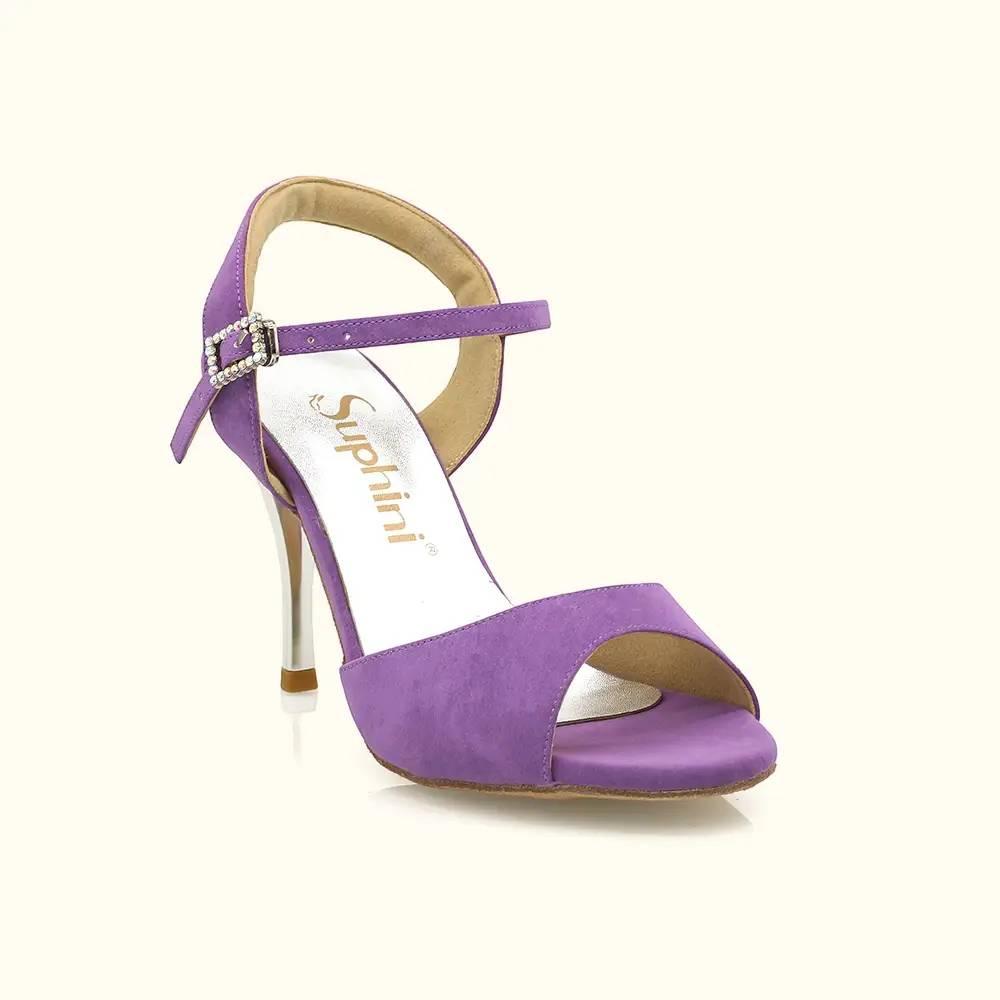
For a dance brand, a studio, or a dancewear retailer, a shoe with your logo on it does more than identify a product—it turns every dancer who wears it into a walking advertisement. Yet branding dance footwear is trickier than branding a T-shirt or a tote bag. Shoes flex, stretch, and endure constant friction, and any logo that interferes with fit, comfort, or durability quickly becomes a liability rather than an asset. Suphini has worked with brands and studios on custom logo dance shoes for years, and the options available reflect a careful understanding of where branding can live on a dance shoe without compromising its performance. This guide walks through those options and how to specify them well.
Dance is a visual, communal activity, and branded shoes travel through studios, competitions, and social venues in front of exactly the audiences a brand wants to reach. A well-placed logo on a dance shoe signals professionalism and builds recognition among dancers who notice what others are wearing. For studios, branded shoes create cohesion among students and reinforce identity at performances and exams. For brands, logo placement turns an otherwise generic product into a distinct line that customers can identify and request by name. The key word is "well-placed"—branding that looks cheap, wears off quickly, or causes discomfort does more harm than good. Suphini's approach treats branding as an integrated design decision rather than a sticker applied at the end.
Where a logo goes determines whether it enhances or interferes with the shoe. Suphini offers several placement options suited to different purposes, including the insole, the heel area, the sole itself, and discreet positions on the upper where design allows. Insole branding is popular because it is visible when the shoe is off and never interferes with fit, making it a natural choice for studios and retailers. Heel-area branding offers visibility during wear without compromising structure. Sole branding provides a subtle signature that appears during lifts and stage work. Upper branding requires the most care, since this area flexes constantly, and the workshop will advise on whether a given design and material combination can support it properly.
Different techniques suit different materials and branding goals, and choosing the right one is essential for durability and appearance. Suphini works with embossing, which presses a design into leather for a permanent, tactile mark that suits classic and understated branding. Printing offers flexibility for detailed or multicolored logos, with inks selected for adhesion and wear resistance. Labels and woven tags provide clean results for insole and lining branding, where a fabric surface accepts them well. For each technique, the workshop considers how the logo will age—whether it will fade, crack, or rub away under the stresses of dancing—and advises accordingly. The goal is branding that looks sharp when the shoe is new and still looks respectable after months of use.
The quality of the finished logo depends heavily on what the buyer provides. Suphini asks for clean vector artwork wherever possible, since scalable files produce sharper embossing and printing than low-resolution images. Buyers should specify exact dimensions, preferred placement, color references, and any technical constraints such as avoiding seams or flex points. Physical color swatches are far more reliable than screen colors, which vary between devices. For embossing, simple, bold designs generally reproduce better than fine detail, and the workshop will advise on adjustments that improve the result. Confirming these specifications before production avoids costly rework later. A little preparation on the artwork side saves considerable time and ensures the branding appears exactly as intended.

No branded order should proceed to bulk production without an approved physical sample. Suphini produces samples with the logo applied exactly as it will appear in production, allowing buyers to judge size, placement, contrast, and durability in person. Buyers should examine the sample under different lighting, test how the branding responds to flexing, and confirm that nothing interferes with fit or comfort. Any adjustments—a larger logo, a different position, a revised color—should be requested at this stage, since changes are far easier to make on a sample than on a bulk run. Approved samples then serve as the binding reference for production. This sampling discipline protects both the buyer's brand identity and the workshop's quality standards, and it is a step serious buyers never skip.
The final measure of dance shoes supplier is whether the branding survives real dancing and continues to represent the buyer's identity well. Suphini selects techniques and materials with longevity in mind, so that logos resist fading, cracking, and abrasion through months of classes and competitions. Durable branding reinforces the professionalism of a brand or studio and encourages repeat orders and referrals. Over time, consistent, well-executed branding turns shoes into recognizable products and helps buyers build the kind of visual identity that dancers associate with quality. For brands and studios investing in their image, custom logo footwear from a workshop that understands the demands of dance is not a cosmetic extra—it is a practical marketing asset that works every time a dancer steps onto the floor.