English
 Hindi (हिंदी)
 Gujarati (ગુજરાતી)
 Telugu (తెలుగు)
 Marathi (मराठी)
 Bengali (বাঙ্গালী)
 Turkish
 Dutch
 Italiano
 Russian
 Romaian
 Portuguese (Brazil)
 Greek
 Arabic
 French
 Deutsch
 Spanish
 Portuguese

Lyocell Fiber Market Size, Share, Growth Trends & Forecast 2033
Other |
2026-11-02 08:52:29
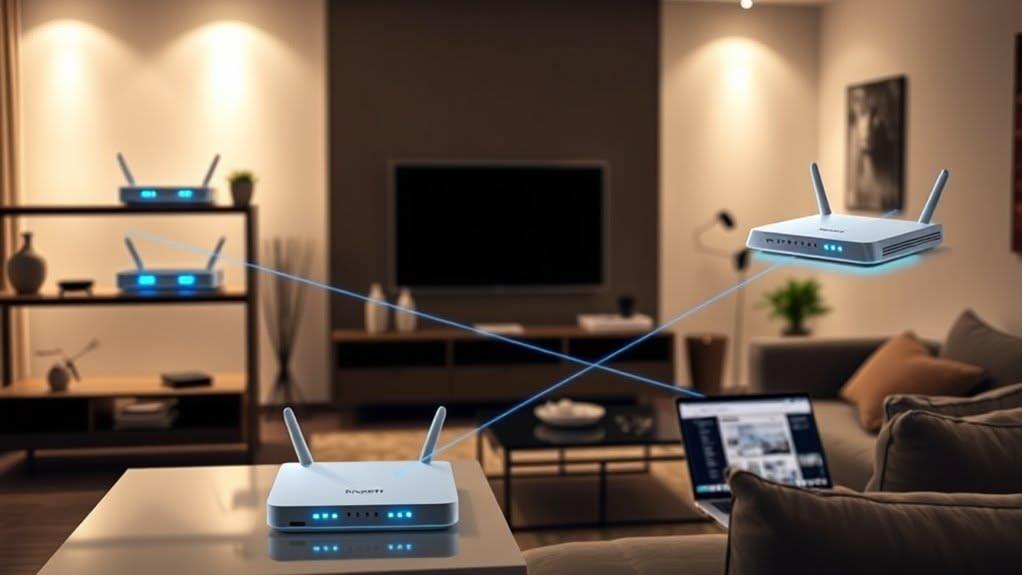
The Home Networking Device Market Share landscape includes manufacturers developing routers, modems, mesh networking systems, range extenders, and smart home connectivity products. Major participants include TP-Link, Netgear, Cisco, D-Link, Asus, Linksys, Zyxel, Huawei, and Belkin. These companies compete through product performance, wireless technology, security capabilities, design, pricing strategies, and distribution networks. The growing use of connected household devices is encouraging providers to improve network coverage, simplify installation, and introduce features that support modern residential connectivity requirements.
Leading Industry Participants
Established networking companies offer products for different household requirements. TP-Link provides routers, mesh systems, and wireless networking equipment, while Netgear develops residential connectivity and networking solutions. Cisco contributes networking technology and infrastructure expertise, and D-Link offers routers, adapters, and connectivity products. Asus participates through wireless routers and gaming-oriented networking equipment. Linksys focuses on home and small-office connectivity, while Zyxel provides networking products for residential and business environments. Huawei and Belkin also participate through connected networking and consumer technology offerings.
Product Innovation and Technology Differentiation
Technology innovation is a major factor influencing competition. Manufacturers are developing products compatible with advanced Wi-Fi standards, mesh networking architectures, and smart home platforms. Improved wireless performance, wider coverage, and efficient management of connected devices are important product characteristics. Some providers are also integrating security tools, parental controls, quality of service settings, and mobile applications. These features help differentiate products and address the needs of households with multiple connected devices. Ease of installation and compatibility with existing internet services also influence consumer purchasing decisions.
Distribution and Customer Experience
Home networking devices are distributed through online marketplaces, electronics retailers, telecommunications providers, and specialized technology stores. Online channels allow consumers to compare specifications, product features, and customer feedback. Retail outlets provide opportunities to examine products and receive purchasing assistance. Internet service providers may also supply routers and gateways as part of residential broadband packages. Customer support, installation guidance, firmware updates, warranty services, and troubleshooting assistance contribute to the overall product experience. Manufacturers that provide reliable support can strengthen customer confidence and brand relationships.
Competitive Outlook
Competition is expected to focus on advanced wireless connectivity, mesh networking, smart home integration, and network security. Providers are likely to develop products that offer simpler configuration and improved performance across connected household environments. AI-based network optimization and automated troubleshooting may become more prominent features. Partnerships with internet service providers and smart home technology companies can also support product distribution and integration. Manufacturers that combine dependable hardware, intuitive software, strong security, and effective customer support can strengthen their position in the evolving home networking industry.
Key trending Reports :
Marketing Calendar Software Market