English
 Hindi (हिंदी)
 Gujarati (ગુજરાતી)
 Telugu (తెలుగు)
 Marathi (मराठी)
 Bengali (বাঙ্গালী)
 Turkish
 Dutch
 Italiano
 Russian
 Romaian
 Portuguese (Brazil)
 Greek
 Arabic
 French
 Deutsch
 Spanish
 Portuguese

Carbon Capture and Storage (CCS) Market: Why North America Has the Early Lead in Large-Scale CCS
Networking |
2026-08-27 08:21:55
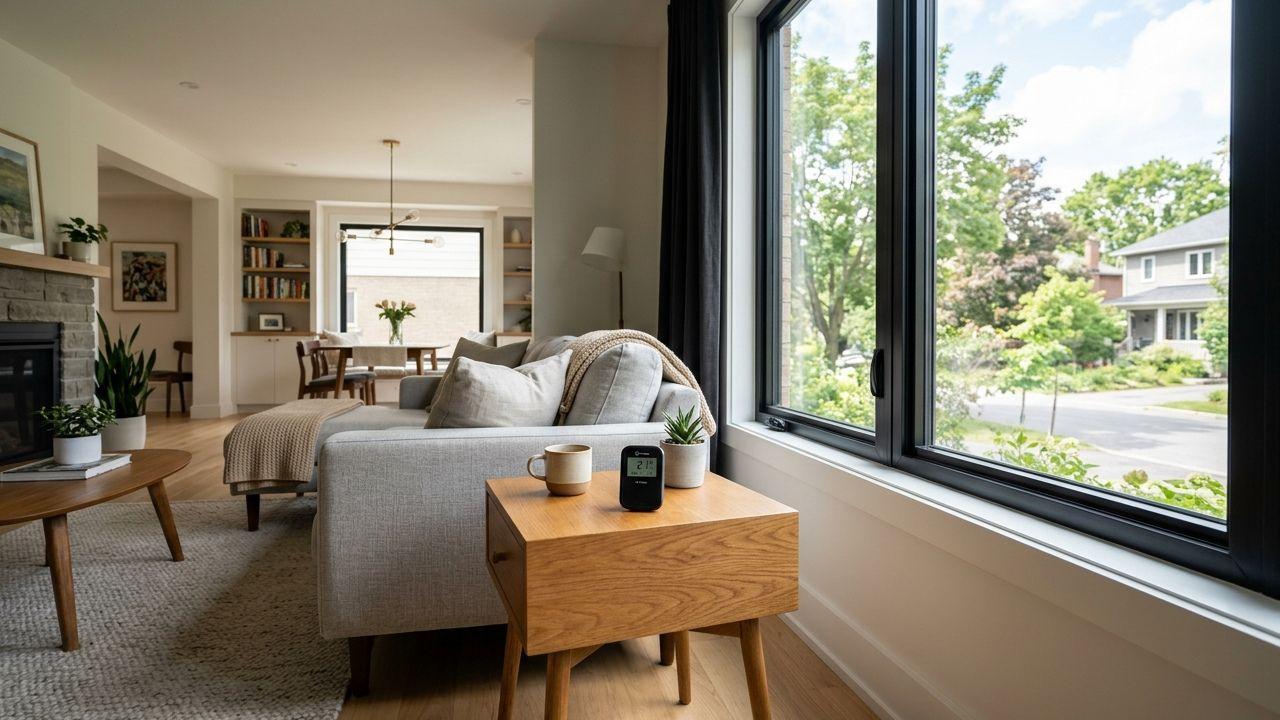
Maintaining a healthy home environment is important for every homeowner. While many people focus on clean water, proper ventilation, and indoor air quality, one potential danger often goes unnoticed: radon gas. Radon is a naturally occurring radioactive gas that can enter buildings through cracks in foundations, gaps around pipes, and other openings. Because it has no smell, colour, or taste, it cannot be detected without proper testing.
Radon testing Ottawa is an important step for homeowners who want to understand the quality of their indoor air and reduce potential health risks. Ottawa properties can be exposed to radon because of the natural uranium found in soil and rock. Whether you own a detached house, live in a townhouse, or have recently purchased a property, testing can help you make informed decisions about your home's safety.
Understanding how radon testing works, when to conduct it, and what to do with the results can help protect your household over the long term.
Radon is a naturally occurring radioactive gas produced when uranium in soil and rock breaks down. It can move through the ground and enter buildings through small openings in foundations, basement floors, crawl spaces, and utility entry points.
Once inside, radon can accumulate, particularly in areas with limited ventilation. Indoor radon concentrations vary from one property to another, even between neighbouring houses. Factors such as foundation design, soil conditions, ventilation, and seasonal changes can influence the amount of radon inside a building.
Long-term exposure to elevated radon levels increases the risk of developing lung cancer. Radon is a leading cause of lung cancer among people who do not smoke, and the risk is even higher for smokers.
Since radon exposure does not usually cause immediate symptoms, homeowners may remain unaware of the problem for years. This makes professional guidance and reliable testing particularly important.
Radon levels cannot be accurately predicted simply by looking at a property's location, age, or condition. A newly built house may have elevated levels, while an older property nearby may have lower concentrations.
Choosing radon testing in Ottawa helps homeowners determine whether radon is entering their living space and whether further action is necessary.
Your family may spend considerable time indoors, especially during Ottawa's cold winters. When windows and doors remain closed, indoor air exchange can decrease, potentially allowing radon to accumulate.
Testing provides information about the concentration of radon in your home. If the results indicate elevated levels, you can investigate appropriate solutions rather than relying on assumptions.
Radon testing can also be valuable when buying, selling, or renovating a home. A test provides useful information about indoor air quality and can help identify concerns before they become more difficult to address.
Homebuyers may wish to arrange testing as part of their property assessment, particularly when a home has a basement or finished lower level. Homeowners planning renovations can also use testing results to determine whether radon mitigation should be considered.
Radon testing measures the concentration of radon in indoor air. Results are commonly expressed in becquerels per cubic metre (Bq/m³).
There are different testing methods, and the right option depends on the purpose of the test, the property, and the required testing period.
Short-term tests measure radon concentrations over a relatively brief period, often between two and seven days, depending on the device and testing protocol.
These tests can provide an initial indication of radon levels. However, short-term measurements may be affected by weather, ventilation, and temporary changes in building conditions. They should not automatically be treated as a complete picture of long-term exposure.
Long-term testing generally measures radon over a period of more than 90 days. This approach provides a more representative estimate of average radon concentrations because it accounts for changes that occur over time.
For homeowners who want to understand their property's typical radon exposure, long-term testing is generally recommended.
Professional testing services can help homeowners select suitable equipment, place testing devices correctly, and understand the results.
A qualified professional can also explain the limitations of different testing methods and recommend whether additional measurements are appropriate. When choosing a provider, ask about training, measurement procedures, reporting, and experience with residential properties.
The location of a radon test can affect its usefulness. In most homes, testing should be performed on the lowest level that is regularly occupied or could reasonably be used as living space.
For example, if your basement includes a bedroom, recreation room, or home office, it may be an appropriate location for testing. If the basement is unfinished but may be converted into a living area, testing there can also provide useful information.
Keep testing devices away from direct sunlight, drafts, exterior doors, and areas with excessive humidity. Follow the manufacturer's instructions and avoid moving the device during the testing period.
Correct placement and careful handling help produce more reliable results.
After completing a radon test, you should compare the long-term average result with Health Canada's recommended guideline.
The Canadian guideline for radon in indoor air is 200 becquerels per cubic metre (Bq/m³). When a long-term test indicates that the average radon concentration exceeds this level, corrective action is recommended.
A result below 200 Bq/m³ means the measured concentration is below the Canadian guideline. Although this is reassuring, no radon level is considered completely risk-free.
Homeowners should consider retesting after significant renovations, changes to ventilation, or other modifications that could affect indoor radon levels.
If a long-term test shows an average concentration above 200 Bq/m³, you should consult a qualified radon mitigation professional. Health Canada recommends taking corrective action within one year, with faster action appropriate when concentrations are higher.
A professional can assess the property and recommend a suitable radon reduction system. After installation, follow-up testing is important to confirm that the system is working effectively.
Although radon testing can be performed throughout the year, fall and winter are particularly suitable for long-term measurements in Ottawa.
During colder months, homeowners tend to keep windows and doors closed. Heating systems and differences in indoor and outdoor air pressure can also influence how radon enters a building.
Health Canada recommends long-term testing for at least 91 days, ideally with at least 91 days of the test occurring during the heating season. This helps provide a more reliable estimate of average annual radon exposure.
For the most useful results, follow the testing device's instructions and avoid changing normal household routines during the measurement period.
Selecting an experienced professional can make the testing process easier and help you understand the results.
When comparing radon testing providers in Ottawa, consider the following factors:
Professional certification: Look for professionals certified through the Canadian National Radon Proficiency Program (C-NRPP).
Testing methods: Ask whether the company offers appropriate long-term measurement options.
Clear reporting: Choose a provider that explains the results and their significance.
Practical recommendations: A reliable professional should explain the next steps if elevated radon levels are detected.
Follow-up support: Ask whether the company can help arrange mitigation and post-installation testing when necessary.
You can also review guidance from Health Canada to learn more about radon exposure, testing methods, and recommended corrective actions.
Professional radon testing provides useful information about a property's indoor air quality. Instead of relying on assumptions about neighbourhood radon levels or the age of a building, homeowners can make decisions based on actual measurements.
For example, a family planning to finish its basement may want to test the space before converting it into a bedroom or recreation room. If the results reveal elevated radon concentrations, addressing the issue before completing the renovation can help avoid additional work later.
Similarly, homeowners preparing to sell their properties may find radon testing useful when answering questions about indoor environmental conditions.
For homeowners seeking local support, Ottawa Radon Pro is a relevant resource to explore for information about radon testing and mitigation services. Understanding your testing options and discussing your property's needs with a qualified professional can help you determine the most appropriate next step.
Radon testing Ottawa is an important consideration for homeowners who want to maintain a healthier indoor environment. Because radon is invisible and odourless, testing is the only reliable way to determine its concentration inside your home.
Long-term testing provides a more representative picture of radon exposure, while professional guidance can help you interpret the results and identify appropriate solutions. If your test reveals elevated levels, a qualified mitigation professional can recommend measures to reduce radon and arrange follow-up testing.
Taking action today can help you make informed decisions about your property and reduce your family's long-term exposure to this harmful gas.