English
 Hindi (हिंदी)
 Gujarati (ગુજરાતી)
 Telugu (తెలుగు)
 Marathi (मराठी)
 Bengali (বাঙ্গালী)
 Turkish
 Dutch
 Italiano
 Russian
 Romaian
 Portuguese (Brazil)
 Greek
 Arabic
 French
 Deutsch
 Spanish
 Portuguese

Baby Wipes Market Research Report: Industry Size, Share, Dynamic Trends, and Forecast by 2029
Other |
2026-06-01 06:44:24
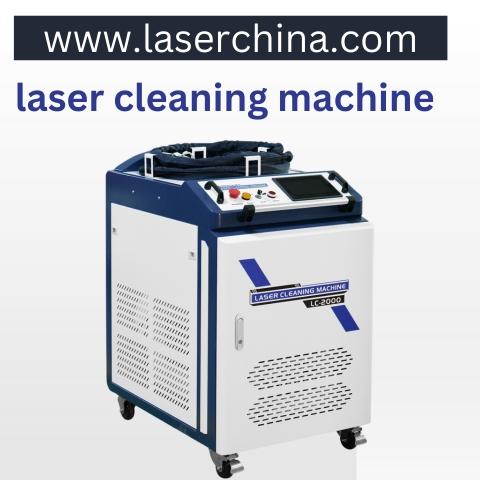
Industrial cleaning is an essential part of manufacturing, maintenance, and metal processing. Traditional cleaning methods often require chemicals, abrasive materials, or extensive manual labor. A laser cleaning machine offers a modern alternative by using focused laser energy to remove rust, paint, oil, oxidation, and other unwanted contaminants from surfaces.
This technology is becoming increasingly popular among manufacturers, automotive workshops, metal fabrication businesses, and industrial maintenance teams. With precise cleaning capabilities and adjustable operating parameters, laser technology helps businesses achieve consistent surface preparation for a wide range of applications.
Laser cleaning works by directing a concentrated beam of light onto a contaminated surface. The laser energy interacts with the unwanted material, causing it to separate from the underlying substrate through processes such as ablation or thermal effects.
The operator adjusts parameters such as laser power, scanning speed, pulse frequency, and focal distance according to the material and type of contamination. Proper settings are essential for effective cleaning while minimizing damage to the base material.
Depending on the application, businesses can choose pulsed or continuous-wave laser systems. Pulsed systems are often suitable for precision cleaning and heat-sensitive components, while continuous-wave systems can be useful for certain high-speed industrial cleaning tasks.
Metal components exposed to moisture and air can develop rust and oxidation. Laser cleaning can remove these layers from steel structures, machinery parts, metal tools, and industrial equipment before painting, coating, or welding.
Removing old coatings is necessary during equipment refurbishment, restoration, and maintenance. Laser systems can selectively remove paint from suitable surfaces, helping prepare components for subsequent treatments.
Manufacturing molds and precision tools frequently accumulate residue during production. Laser technology can clean selected areas without relying on conventional abrasive blasting, provided the material and process parameters are appropriate.
Automotive workshops may use laser cleaning for surface preparation, component restoration, and selected welding-related tasks. Aerospace applications can include precision cleaning of approved components under strict process controls.
Clean metal surfaces are important for achieving reliable weld quality. Removing contaminants before welding can help improve surface consistency and reduce certain defects associated with contamination.
Selecting suitable equipment requires a clear understanding of the intended workload. Businesses should evaluate the types of materials they process, the thickness of contamination, the required cleaning speed, and the level of precision.
Laser power is an important consideration, but higher power is not automatically the best choice. A lower-power pulsed system may be more appropriate for delicate parts, whereas a higher-power machine may be better suited to demanding industrial cleaning applications.
Buyers should also examine the scanning head, control interface, cooling system, maintenance requirements, spare-part availability, and manufacturer's technical support. Requesting a cleaning demonstration using actual workpieces can help verify performance before purchasing.
Laser cleaning equipment must be operated according to the manufacturer's instructions and applicable laser safety standards. High-powered laser beams can cause serious eye injuries, skin burns, and fire hazards, including from reflected beams.
A suitable installation may require a controlled laser work area, appropriate wavelength-rated protective eyewear, beam containment, interlocks, warning signs, and trained operators. Fumes and particles released during cleaning should be assessed, with suitable extraction and filtration provided where necessary.
Operators should test the process on representative samples before cleaning valuable components. This helps identify the correct settings and reduces the risk of discoloration, surface damage, or unwanted changes to the material.
Regular maintenance helps keep industrial laser equipment operating reliably. Operators should inspect cables, connectors, cooling components, protective covers, and scanning equipment according to the manufacturer's maintenance schedule.
Optical components must be handled carefully and kept free from contamination. Any cleaning or replacement procedure should follow the equipment manufacturer's recommendations. Keeping maintenance records and training operators in correct handling procedures can also help reduce unexpected downtime.
Laser technology is changing the way industries approach rust removal, coating removal, and precision surface preparation. A laser cleaning machine can be a valuable investment for businesses seeking a controlled and modern cleaning process. The right equipment depends on the application, material, production volume, safety requirements, and available budget.
Before making a purchase, compare specifications, request sample testing, and evaluate after-sales support. Choosing a system that matches your actual cleaning requirements can help establish a dependable process and support long-term industrial productivity.